

SERVICES
Radiotherapy
What is Radiotherapy?
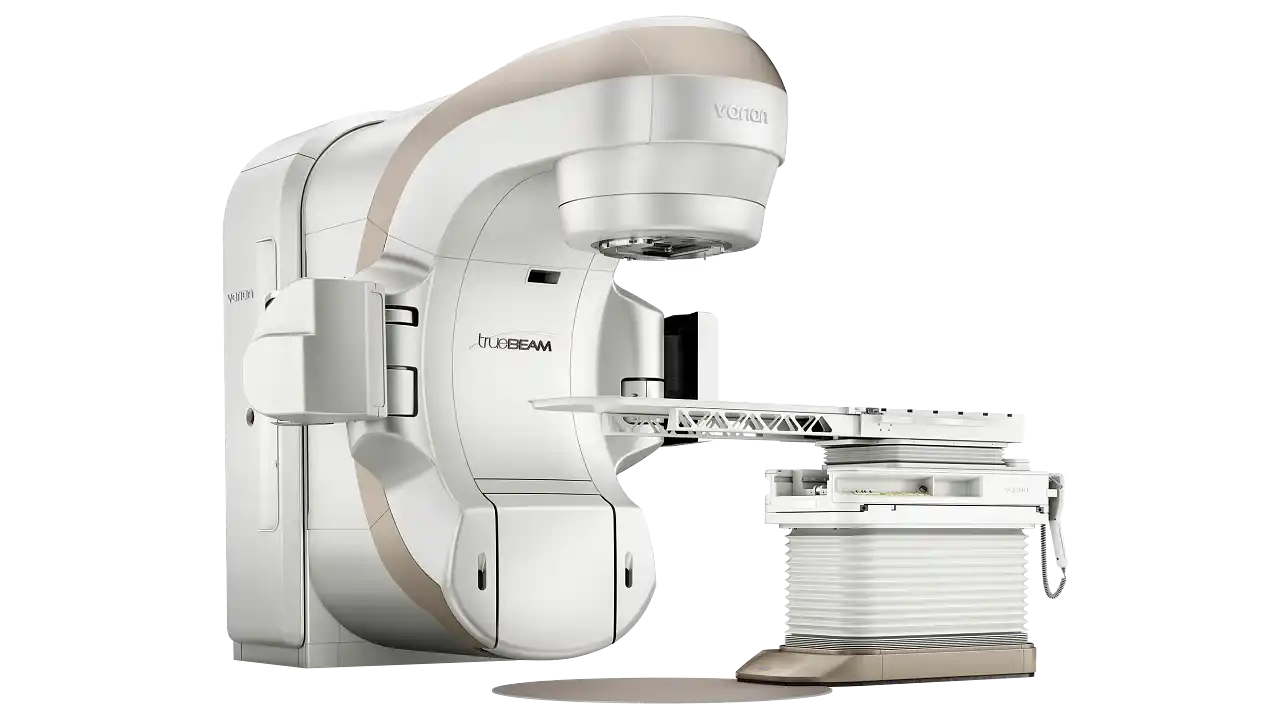
Radiotherapy (radiation therapy) involves the use of highly concentrated energy beams to target and destroy cancerous cells present in the body. Radiation therapy relies on the use of X-rays, as well as other radiation types, one of which is proton radiation.
Radiotherapy is most effective when administered early, as soon as the cancer is diagnosed. For example, radiotherapy is used for the following reasons:
- Radiotherapy can be seen as a curative option to eradicate cancer.
- Radiotherapy is combined with another form of cancer therapy, such as chemotherapy. Alternatively, radiotherapy can be labelled "adjuvant radiotherapy", which means it's administered before the surgery.
- The treatment also helps minimise the risk of recurring cancer.
- Palliative radiotherapy is beneficial in the sense that the treatment reduces symptoms if there's no curative option.
What types of radiotherapy exist?
Types of radiotherapy consist of the following:
- Radiotherapy administered externally entails the use of a machine that helps direct energy beams from outside the body.
- Radioactive material can be implanted in an area of the body, such as the prostate, which is a procedure referred to as prostate brachytherapy
- Radioisotope therapy refers to the use of capsules, drinks and injections of radioactive substances that are delivered orally or intravenously.
How do you administer radiotherapy?
Radiotherapy can be administered in the following ways:
- External radiation therapy involves the use of a machine that helps apply powerful radiation beams directly at the tumour.
- A radioactive substance like radioactive seeds can be implanted in the bodily region (i.e., the prostate) where the tumour is present.
- A radioactive substance such as a particular fluid you can ingest or have injected into the body.
- Intrabeam radiation involves directing potent energy beams at the site where the cancer is present at the time of surgery.
What is the outlook like after radiotherapy?
Once treatment is completed, you will be given post-operative instructions on how to care for the surgical site and methods to manage side effects from radiotherapy.
FAQ
Radiotherapy is a form of cancer therapy that results in adverse effects such as the following:
- Lethargy
- Hair loss
- Memory loss
- Alterations in the appearance of the skin
- Headaches
- Hazy vision
- Vomiting/nausea
Usually, cancer treatments such as chemotherapy and radiation therapy aim to destroy cancerous cells entirely. However, even after the destructive cells have been destroyed, the tumour can still react by developing rapidly and aggressively.
It can take weeks, two months or more to recover.